Loss is an unwelcome change. How do we respond to it?
After nearly three decades as a grief counsellor, I have learned a great deal about loss. One of the biggest lessons is this: grief is our natural response to loss, and loss happens whenever life changes. While we often associate grief with death, we also grieve the end of relationships, friendships that quietly fade, children growing up, retirement, moving homes or dreams that no longer fit the lives we’re living. Sometimes, we grieve what was. Other times, we grieve what we hoped would be.
Throughout my career, I have had the privilege of walking alongside people during some of the hardest moments of their lives. I’ve sat with parents whose children have died, spouses facing life without their partners, individuals grieving identities, futures, relationships they never imagined losing. Again and again, I am reminded that grief isn’t simply about losing someone we love, it’s about losing something that mattered deeply to us.
Some losses are obvious. Someone dies, and the world changes overnight. Other losses are much harder to define. A relationship ends without closure. A loved one develops dementia and is physically present but emotionally absent. A diagnosis changes the future you imagined. A long-held dream quietly slips away.
These experiences are often described as “ambiguous grief ” or “ambiguous loss,” a term developed by American family therapist Dr. Pauline Boss. It refers to losses that don’t have a clear ending or aren’t fully recognized by others. This type of loss can also include a parent receiving a diagnosis for their child after they were assessed or being advised that their child has been born with a medical condition at birth. Unlike a death, this type of loss doesn’t have a funeral, ritual or even a clear moment of goodbye, and people often wonder if they’re “allowed” to grieve. The answer is yes. Any meaningful loss deserves to be acknowledged.
One of the hardest parts of grief is learning to create what I call a new normal. Many people worry that healing means letting go of the person they loved or the life they once had. I gently remind them that there is a difference between moving on and moving forward.
Moving on can feel like leaving someone behind. Moving forward means carrying your love, memories and experiences with you while learning to live differently. Letting go is not about letting go of love.
You can let go of the life you expected while holding tightly to the memories that shaped you.
You can let go of the role someone once played while keeping the lessons they taught you.
You can let go of needing all the answers while making peace with unanswered questions.
And you can begin building a new life without abandoning the old one.
Grief often feels most intense the first time a normally celebratory event or moment occurs without that person beside you – the first birthday, holiday, anniversary, graduation or family celebration. Even everyday moments – a favourite song, a familiar scent, a photograph – can suddenly stop you in your tracks.
I often compare grief to a roller coaster. There are peaks and valleys, unexpected twists and moments when you feel like you’re moving backward instead of forward. One minute you may be laughing, and the next you are in tears. This isn’t a sign that something is wrong. It’s a sign that you are grieving.
Alongside those painful moments, I hope you also begin to notice the “glimmers” – small moments that bring warmth. A memory that makes you smile. A story that brings laughter. A feeling of closeness when you least expect it. These moments don’t mean your grief has disappeared. They simply remind you that love continues to exist alongside loss.
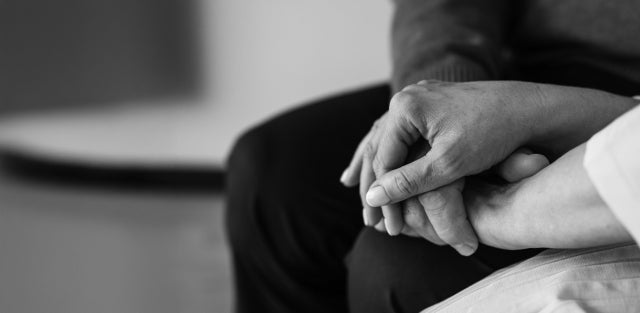
People often ask what my job is as a grief counsellor. I explain that my role isn’t to help someone “get over” their grief. It’s to walk beside them as they learn how to carry it. There is no timeline, no checklist and no right way to grieve. Sometimes, the greatest gift we can offer another person is simply to sit with them and say, “I see you, and I see how hard this is.”
Over time, grief does change. The pain often becomes less overwhelming. Memories begin to bring more comfort than heart-ache. You may even find yourself imagining a future that holds both your loss and the possibility of joy. When people can’t believe that is possible, I simply hold onto the hope until they are ready to take it for themselves.
Perhaps that is what creating a new normal really means. It isn’t forgetting. It isn’t replacing. And it certainly isn’t leaving someone behind. It is allowing yourself to grow around your grief while continuing to carry the love that will always be part of you.
Life is filled with changes we never asked for. Some are welcome, and others arrive without invitation. But even in the midst of unwelcome change, healing is possible. Sometimes, it begins with something as simple, and as courageous, as giving yourself permission to grieve what was, honour what remains and gently make room for what comes next.
Corrie Sirota is the clinical director at Myra’s Kids Foundation, a clinical social worker and psychotherapist and author of Someone Died… Now What? A Personal and Professional Perspective on Coping With Grief & Loss.