
Turning observations of nature into art
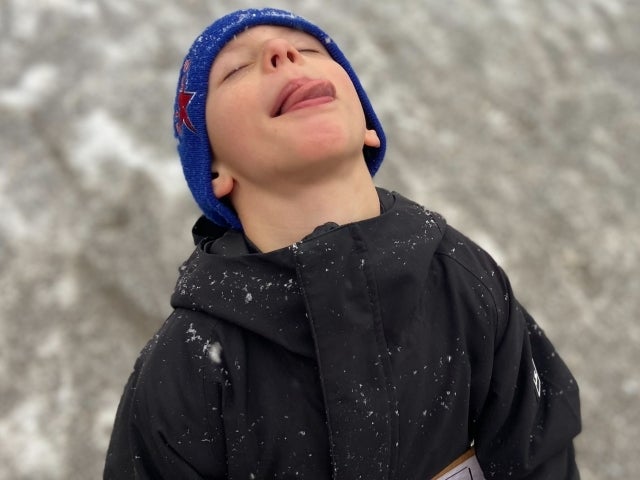
A program that takes elementary students outside to notice the changing seasons has had a positive mental health impact.
“There are so many ways that this project is beneficial for the students and me, not only academically, but also for social and emotional learning, friendships, helping others and sharing ideas,” said Edithe Frenette, who teaches at Laurentian Elementary School (Sir Wilfrid Laurier School Board).
For a long time, Frenette wanted to intro- duce outdoor learning to her students but didn’t know where to start until she met project organizer Louise Campbell at a workshop. They applied for federal, provincial and private funding, which provided funds for Campbell to visit the Grade 4 class, first in the fall of 2025 and then again this winter, with another visit planned for the spring.
Artist, musician and self-proclaimed nature lover, Campbell equips students with a clip- board and pencil then leads them outside to put their senses to work. What do they feel, see and hear both in the distance and close by? What kind of adjectives can they use to describe what they are sensing?
Students can take a close-up look at a tree or sit under a bridge and listen to a trickle of water.
“Kids, in my opinion, aren’t meant to be sitting at a desk all day, so, especially for the kids who have a lot of energy, it’s great for them because they are still able to learn and get that energy out,” Campbell said.
Frenette noted that some students who rarely spoke in class felt more comfortable opening up about their families and home life while walking outdoors. After the walk, students head back inside for an activity inspired by the colours and natural elements they’ve seen.
Campbell also uses music for the children to express what they see. She asks them to describe a scene and then composes music that conjures up an image based on their description. Or she plays a tune and gets the students to draw what pops into their heads.
“The students talk enthusiastically about what we observe, the sounds we hear, how the air feels on their skin and what they notice in nature,” Frenette said. “We jump in puddles, play in the snow and fully experience the environment around us.”